Introduction
When it comes to maintaining asphalt surfaces-- whether they be driveways, parking area, or roads-- two typical approaches stick out: crack sealant and patch repair Each approach has its distinct benefits, negative aspects, and appropriate applications. If you're a homeowner in Little Rock, AR, it's important to understand which alternative functions best for your details needs. This comprehensive guide will damage down the toughness and weaknesses of both techniques, guaranteeing you can make an informed decision for your asphalt maintenance.
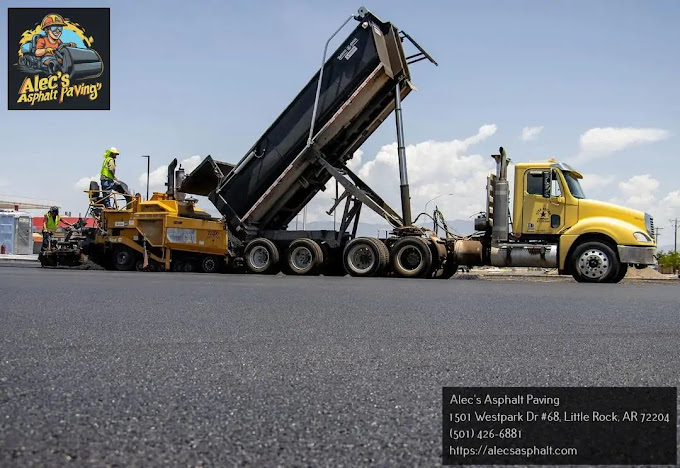
Crack Sealer vs. Patch Repair Work: Which is Better for Your Asphalt?
Understanding Asphalt Damage
Asphalt surface areas are designed to endure hefty lots and various climate condition but over time, they can create splits because of aspects such as thermal development and tightening, dampness seepage, and heavy traffic tons. The damages can show up in numerous kinds:
- Surface Cracks: These are small cracks that happen on the surface. Alligator Cracks: A collection of interconnected cracks looking like alligator skin; typically a sign of structural issues. Potholes: Huge depressions brought on by the disintegration of the base product under the asphalt.
Understanding these sorts of damages is critical when deciding between split sealant or spot repair.
What is Break Sealant?
Crack sealants are unique products utilized to load tiny fractures in asphalt surfaces to prevent additional damage. They create a barrier against water seepage and freeze-thaw cycles that can aggravate cracking.
Types of Fracture Sealants
Hot Pour Sealants: Warmed to melt before application, these sealers bond well with asphalt. Cold Pour Sealants: Ready-to-use products that are used directly from their containers; ideal for do it yourself projects.Benefits of Utilizing Split Sealant
- Cost-Effective: Normally more economical than major repairs. Quick Application: Can typically be performed in a solitary day with marginal disruption. Prevents More Damage: Quits moisture from passing through deeper into the asphalt.
Limitations of Fracture Sealant
- Not Suitable for Huge Splits or Potholes: Ideal used for minor surface splits only. Requires Regular Upkeep: Commonly needs reapplication every couple of years relying on usage and weather conditions.
What is Patch Repair?
Patch repair entails getting rid of harmed sections of asphalt and replacing them with brand-new material. This approach is extra intensive yet needed for larger areas suffering from considerable deterioration.
Types of Spot Repairs
Cold Patch: Pre-mixed product that can be made use of right away however might not adhere in addition to hot mixtures. Hot Patch: Calls for home heating to apply; provides far better adherence and durability.Benefits of Making use of Patch Repair
- Long-lasting Results: Perfect for dealing with bigger issues like fractures or alligator cracks. Restores Architectural Honesty: Helps keep the total strength of your pavement.
Limitations of Spot Repair
- More Expensive than Crack Sealing: Involves labor-intensive job and product costs. Longer Downtime Required: Takes even more time to complete than simply securing cracks.
Comparative Analysis In between Fracture Sealant and Patch Repair
|Attribute|Crack Sealant|Spot Repair work|| ----------------------------------|----------------------------------|----------------------------------|| Cost|Reduced cost|Higher expense|| Application Time|Quick https://app.unicornplatform.com/produce-rise/blog/362496 (very same day)|Longer (days depending upon size)|| Ideal Damages|Small surface area splits|Big cracks/potholes|| Long life|Temporary|Long-term|| Architectural Integrity|No change|Recovers honesty|

Which Method Need to You Choose?
The decision in between crack sealant versus patch fixing greatly relies on the extent of the damage:
- For minor surface cracks, think about utilizing fracture sealer as a precautionary measure. For bigger damages such as potholes or substantial splitting patterns, spot repair is advisable.
Factors Influencing Your Decision
Extent of Damage- Assess whether you have small cracks or larger architectural issues needing immediate attention.
- Consider just how much you're willing to purchase repairs; while crack sealing is cheaper upfront, several applications may accumulate over time.
- Determine the length of time you expect your repair service service to last; spot fixings generally provide longer-lasting results compared to break sealants.
- Factor in just how much continuous maintenance you're prepared to embark on after repairs are completed.
- In areas like Little Rock, with seasonal temperature fluctuations, particular methods may execute much better under particular climate conditions.
Asphalt Maintenance Best Practices in Little Rock AR
To make certain durability in your asphalt surface areas following either technique-- crack sealing or patch repairing-- take into consideration these ideal methods:
Regular Inspections- Conduct evaluations at least every year or bi-annually to recognize arising issues very early on.
- Hire experienced paving contractors in Little Rock AR that specialize in both crack sealing and patch repairs.
- Implement normal sealcoating every 2-- 3 years as an added protective action against UV rays and wetness penetration.
- Keep your driveway or car park clean from particles like leaves or dust that can trap moisture against the pavement surface.
- Ensure appropriate drainage around your asphalt surfaces to stop water pooling which leads to quicker deterioration.
FAQs
1. What triggers asphalt cracking?
Asphalt fracturing generally results from thermal expansion/contraction cycles integrated with hefty lots and wetness infiltration over time.
2. For how long does split securing last?
Typically, fracture securing lasts concerning 3-- 5 years before requiring reapplication depending on ecological conditions and traffic levels.
3. Is patching effective for potholes?
Yes! Patching is among the most efficient ways to repair fractures; nonetheless, it requires cautious prep work for optimum results.
4. Can I do split sealing myself?
Yes! Cold pour sealants permit home owners to do it yourself; nevertheless, warm put choices normally need specialist equipment.
5. How typically ought to I sealcoat my driveway?
It's advised every 2-- 3 years based upon use patterns and climate conditions.
6. What are some indications I need repairs?
Signs consist of noticeable splitting, standing water merging on your surface area, or an irregular driving experience showing possible structural problems listed below the surface layer.

Conclusion
In summary, choosing in between crack sealant vs patch repair come down to understanding your certain needs worrying extent of damage, budget considerations, weather influences in Little Rock AR together with future upkeep expectations-- all components adding towards making an informed choice concerning preserving those important asphalt surface areas effectively!
Whether you select quick fixes with crack securing or purchase lasting services like patch fixings-- proper care ensures that your driveway stays looking beautiful while expanding its life-span considerably!